Treatments for clients with cancer: are you covered?
Dave Horton explains how AIT members can offer therapies to clients undergoing treatment for cancer without concern.
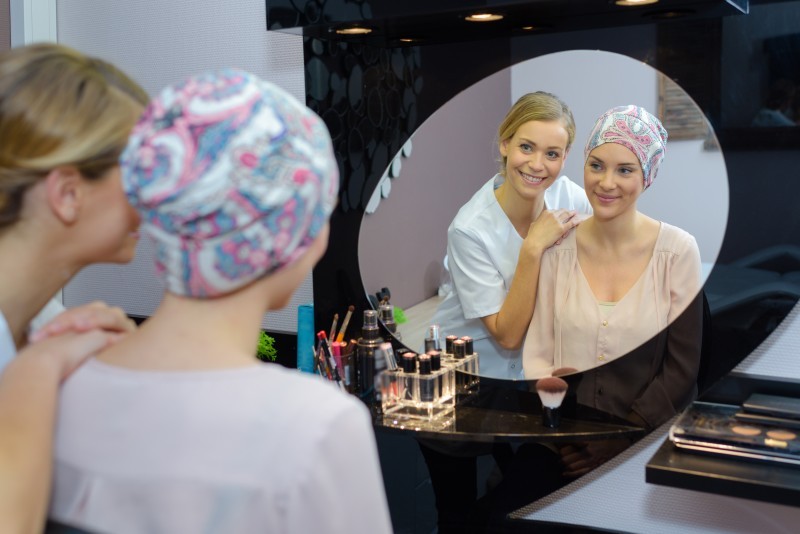
As a therapist, your client base will consist of individuals from all walks of life, some of whom are bound to be living with chronic health concerns.
Offering a variety of beauty and wellness treatments can support clients through their illness, making them feel a little more like their old self, and boosting their well-being before, during, and after gruelling treatment.
Taking data from the National Cancer Registry, Ireland (NCRI), the
Irish Cancer Society states: “there are now more than 24,200 invasive cases (12,925 men and 11,282 women) diagnosed each year.” This excludes non-invasive cancers such as non-melanoma skin cancers.
The Marie Keating Foundation add that at the end of 2022, “about 4.3% or 1 in 23 of the Irish population” were living with cancer or were former cancer patients.
If one of your clients tells you the unfortunate news that they have been diagnosed with cancer, what do you do? Can you continue to treat them in your salon?
If you're an AIT member, then the answer is yes.
If you're carrying out non-invasive treatments for your client's well-being, which includes facials, massage, manicures and pedicures amongst others, then there is no need to be concerned. If you are not an AIT member, you should contact your insurance provider to confirm whether treating cancer sufferers is excluded.
As AIT members' insurance policy does not exclude treating clients undergoing treatment for cancer, this also means that you don't have to worry if a client tells you during consultation that he or she is in remission (however you will still need to note this in your consultation).
Specialist training
It's worth noting that if any specialist training for a therapy for treating people with cancer is available, then it would be a good idea to attend this. Any products used should be checked to see if they are safe on cancer patients as per the manufacturer's guidelines.
Take a look at AIT Accredited courses that offer treatments specifically tailored to be suitable for those going through cancer treatment.
Your client should also consult their specialist medical practitioner and you should also record their consent on your client's consultation form/card.
“We encourage patients to learn about the risks and benefits of complementary therapies and discuss potential treatments with their oncology team in advance,” say
The Irish Cancer Society.
Remember, you should only offer treatments for which you are qualified and which are accredited by ABT and therefore covered under your AIT policy. If you're unsure, contact AIT's policy team on +44 1789 773573 or email
[email protected].
Your treatments
Via their website, the
Irish Cancer Society offer information about the types of treatments that may be beneficial in helping cancer patients to cope with pain, discomfort and fatigue, stating:
“Complementary therapies such as acupuncture, massage, and aromatherapy can in some cases, help people cope with the symptoms of disease and its treatment, aid relaxation, and reduce tension and anxiety.”
They add: “Use and timing of complementary therapies can have interactions with cancer treatment that might be unexpected, but doctors are very familiar with the considerations that are needed. For example, some kinds of radiation treatment can cause skin sensitivity and massage sessions might need to be delayed as a result.”
Chemotherapy treatment can affect nails, making them brittle and cracked. Cuticles may become dry and sore. According to
breastcancer.org, clients who have had lymph nodes under their arms removed during mastectomy or lumpectomy need to be particularly aware of nail care, as hangnails or cuts can lead to infection.
Offer you client advice on natural nail, hand and foot care including regular use of a cuticle oil to keep cuticles moisturised. Consider using acetone-free polish remover and other products that will not dry the nail plate further and as always, ensure you only use sanitised tools.
Skincare
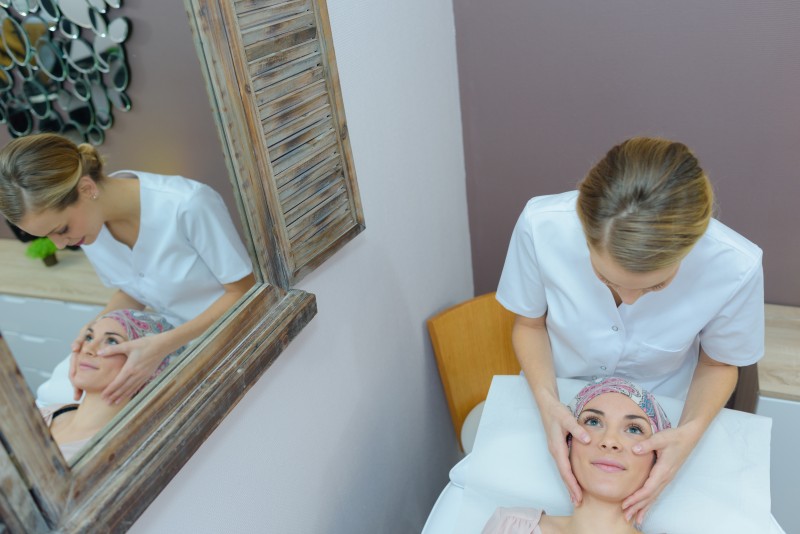
Clients undergoing treatment for cancer may find that their skin becomes drier. Therefore, you should take this into account during facial treatments; you are in the perfect position to help your client restructure their facial routines to include cleansers, exfoliators and serums for sensitive skin. You can also recommend body moisturisers that can help keep skin supple.
Brow reconstruction
If your client is undergoing chemotherapy, it is likely that they will experience hair loss. The powerful drugs used to attack cancer cells also have the same effect on hair roots, and chemotherapy can cause hair on all areas of the body to fall out including eyebrows and lashes.
-10492.jpg)
If you have trained in make-up application, use your skills to show your client how to apply brow powders to recreate eyebrows; today's brow products are highly advanced and help to recreate the lost hair that goes so far in framing the face.
Areola reconstruction
Body confidence for those who have undergone mastectomy due to breast cancer can be vital concern in their recovery process. Micropigmentation, or semi-permanent makeup (SPMU), is now widely available for areola reconstruction and camouflaging scarring. Specialist advanced training in this lifechanging skill is available for experienced micropigmentation technicians.
Volunteer your skills
If you would like to use your qualifications to help cancer sufferers on a wider scale, the Look Good Feel Better charity are always appealing for Beauty Volunteers. You need at least one year's experience in skincare or the application of make-up, and be happy to deliver the charity's Workshops and Masterclasses for men and women across Ireland who are undergoing treatment for cancer. Find out more at
www.lookgoodfeelbetter.ie.
Dave Horton is Managing Director of AIT part of Howden. For more information telephone +44 1789 773573, email
[email protected] or visit
www.aitireland.com.